sixteenth- and seventeenth- century Dutch painters
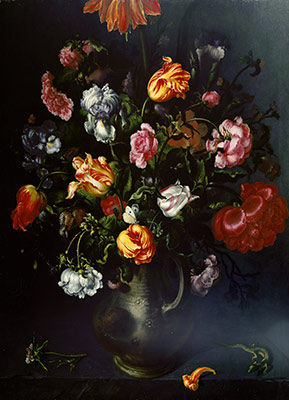
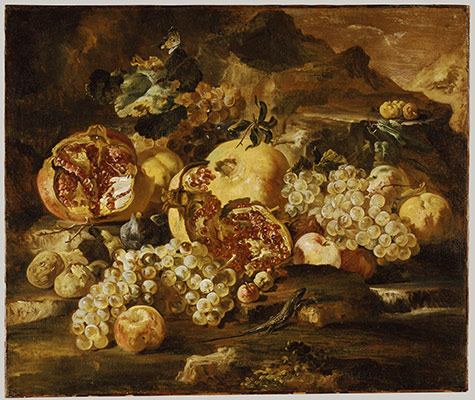
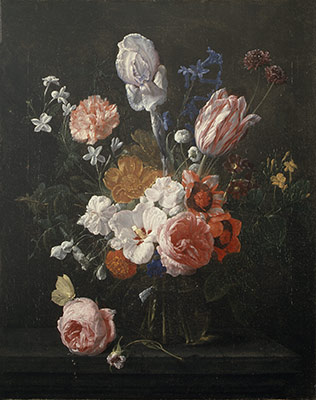
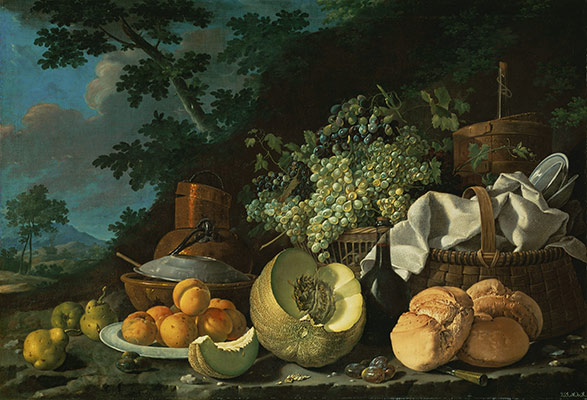
The still life genre boomed in Flanders, Holland and Germany during the sixteenth century due to the Prodistant revolt against the Church of Rome. This lead to the near end of religious artwork and allowed artists to explore new subject matter and mediums.
This new genre challenged artists to create realistic and true-to-life artwork. This level of mastery was reached in the seventeenth century and is known as “Dutch Realism”.
The earliest still lifes AD were done in 1502 and 1504. Later, in 1520s-30s paintings containing moral messages and symbols was introduced by the German artist Hans Holbein the Younger. These messages were portrayed by using symbolic objects. The purpose of this symbolism was to remind the viewer of their/our short and sad lives on the earthly plane of existence.
Nineteenth- century artists’ interpretation
Still life has survived through many different art movements. These artworks would usually consist of everyday objects. Each art movement inspired a new approach to still life and painting as a whole. It was most popular during Post-Impressionism and was adopted by both Van Gogh and Cezanne. Cezanne also incorporated skulls into his work, influenced by the vanitas genre.
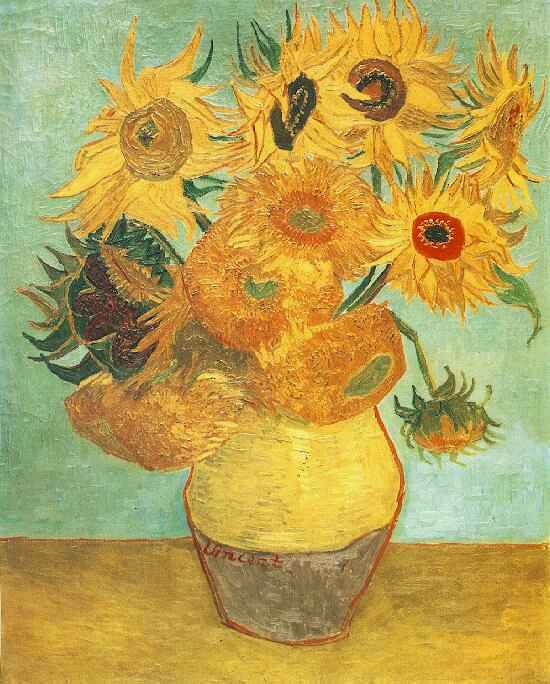
Van Gogh 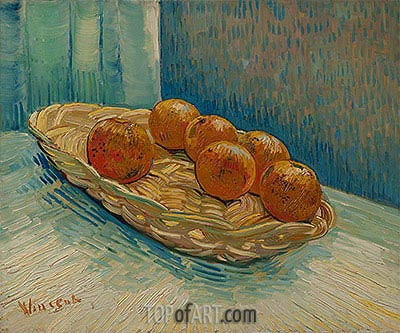
Van Gogh 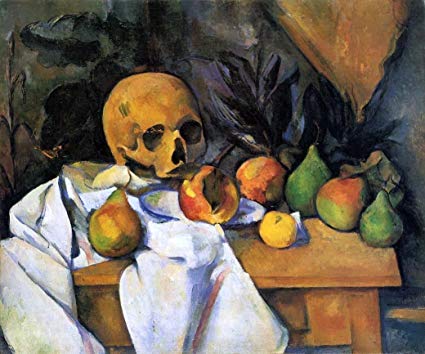
Cezanne 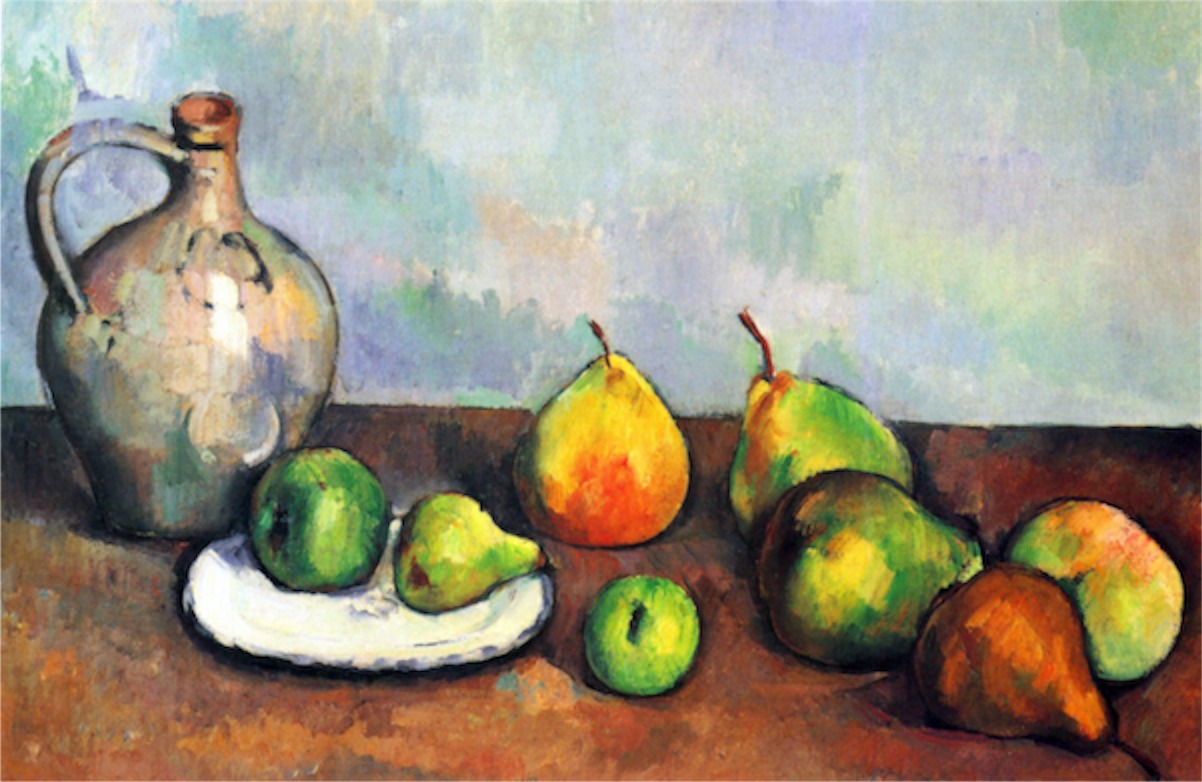
Cezanna
The Cubist approach to still life involved breaking down objects into flat basic shapes. they would paint the subjects as viewed from multiple angles at once.
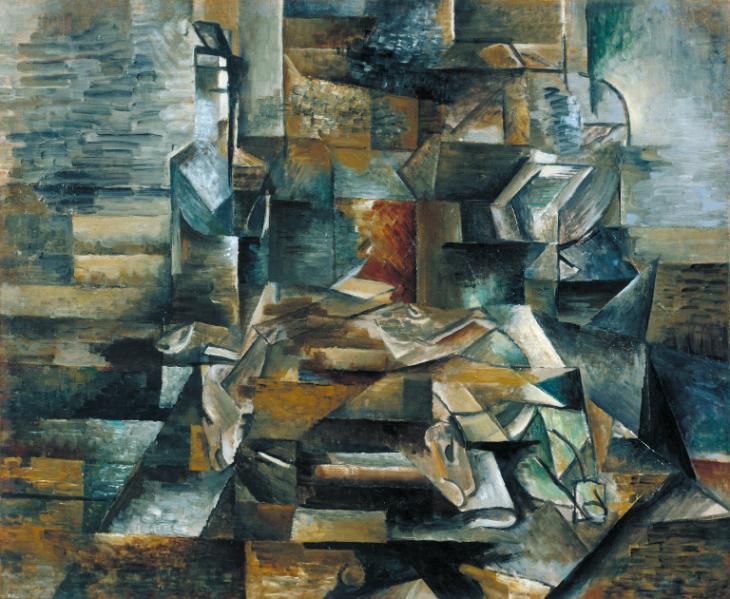
Bottle and Fishes c.1910-2 Georges Braque 
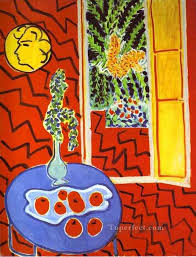
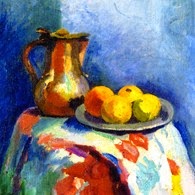
Fauvists went about incorporating unnatural colours into their still life paintings. They focused more on portraying their emotions and feelings towards the objects instead of the objects themselves.
Contemporary artists
Themes such as death, time and consumption are common in contemporary art today. Photography is often used and many artists will try and compete with the quality of today’s technology by creating hyper realistic artwork.
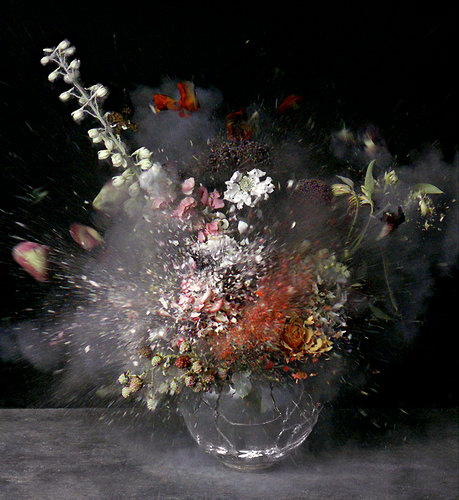
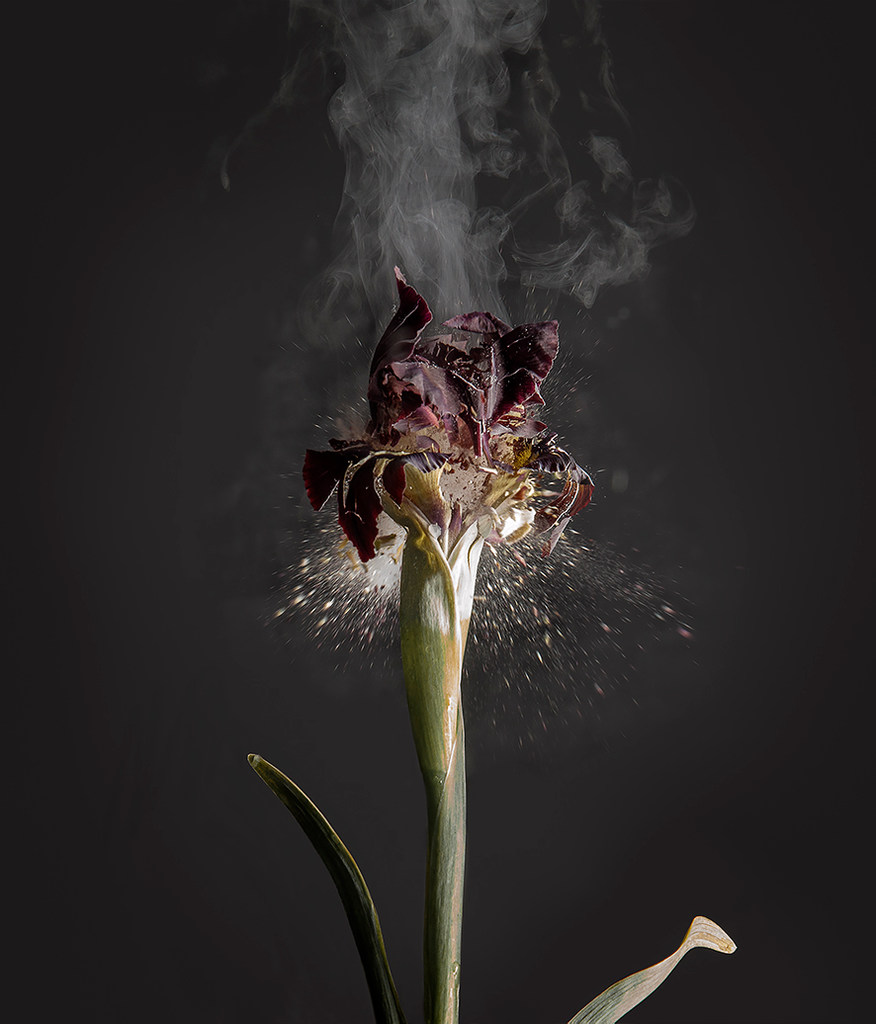
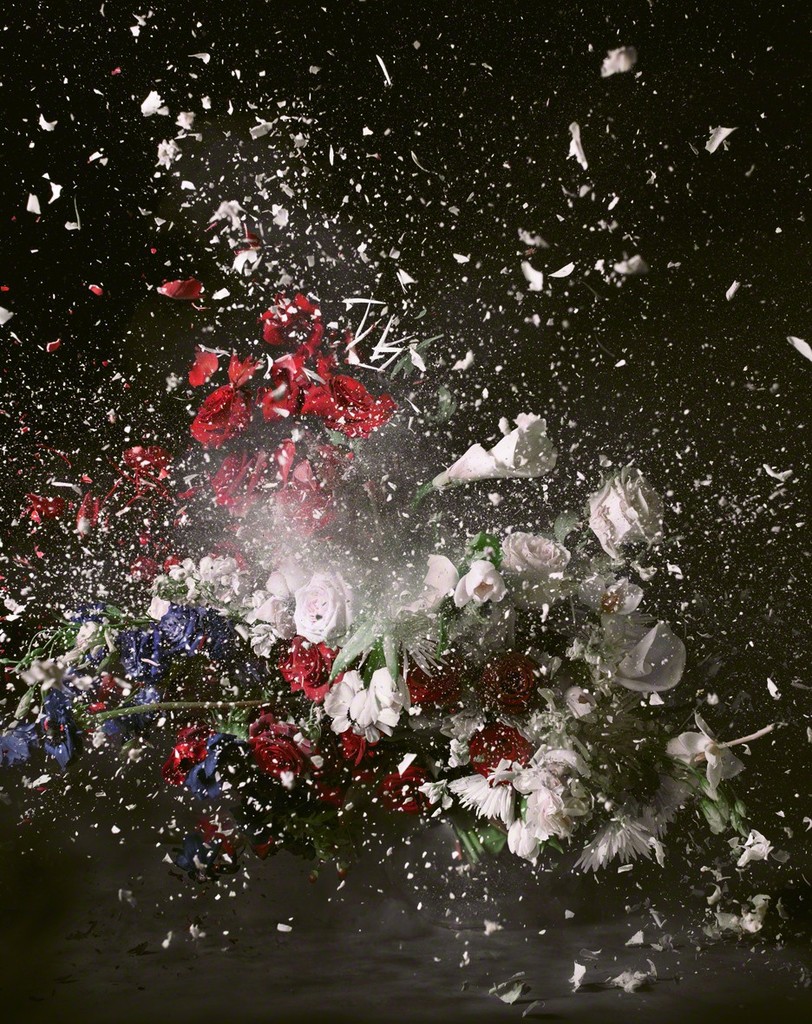
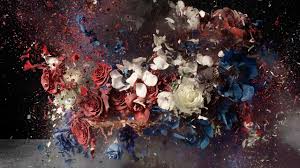
Ori Gersht recreates scenes from 19th century still life art with vases of flowers and photographs them mid explosion as part of his series “History Repeating”. He does this to depict history repeating itself and the fragility of life.
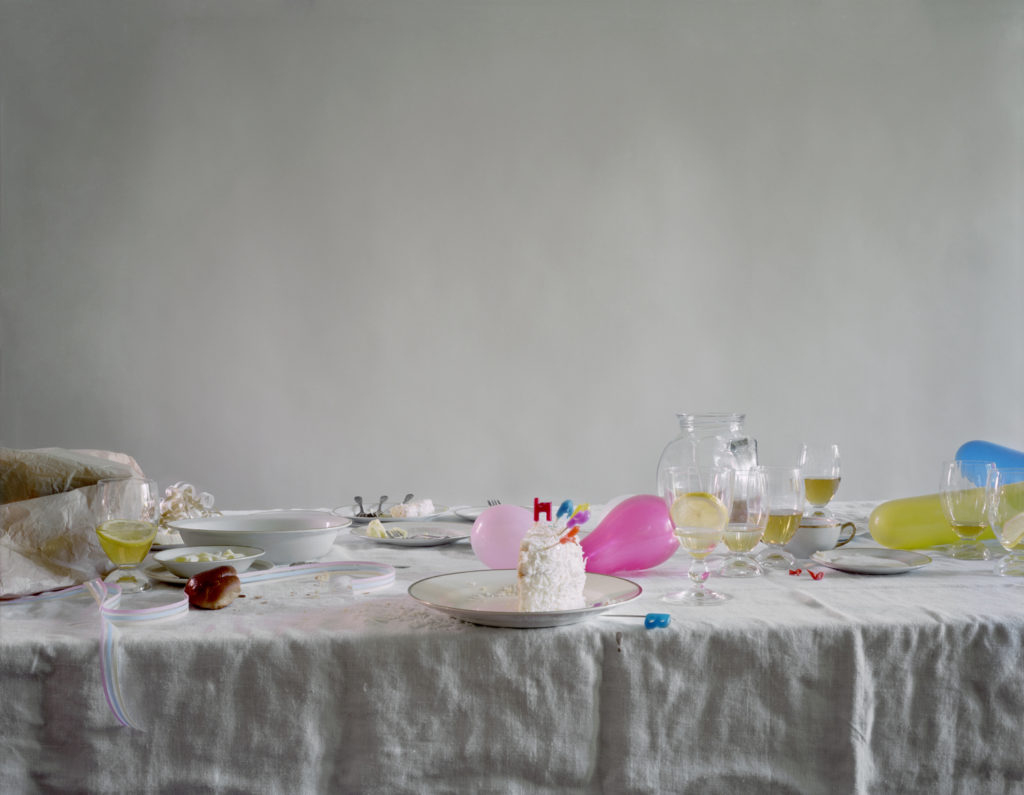
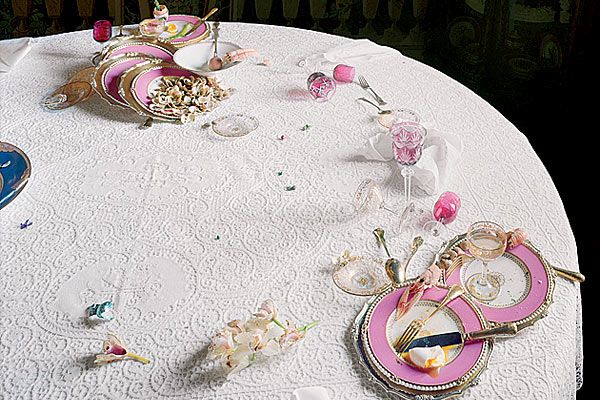
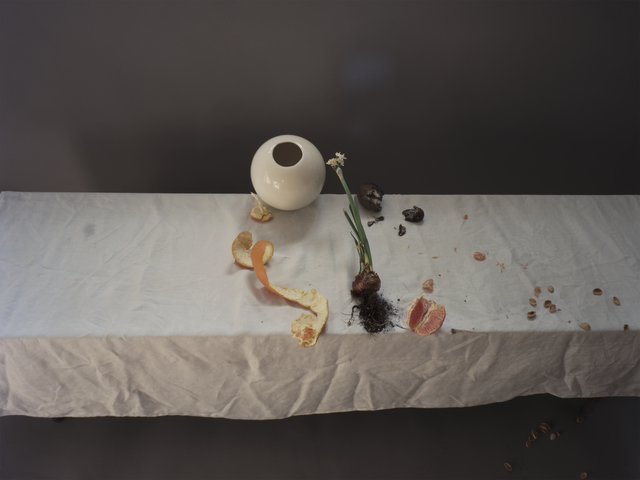
Laura Letinsky is an artist who depicts things after their purpose has been fulfilled; she says she wants to explore “the more meager path, an inclination to be happy with what you have. It all made me want to look at the still life in the moment after things are consumed—thinking about this ‘post’ moment, about hunger, about desire and want and need.”
In her “The Dog and The Wolf” series, she photographs still lifes with orange peels, half eaten foods such as cake, deflated balloons and other such objects that show that people have been there in left their discarded materials behind.
She invites us to enjoy life but at the same time shows the passing of time and that all things end.

sources
http://www.artnews,com/2014/02/10/contemporary-still-life-is-high-tech-and-high-concept/
by Rachel Walff. Posted 02/10/14 5:ooAM. read 20/06/2019
http://www.visual-arts-cork.com/history-of-art/fauvism.htm
by Encyclopedia of Art. read 20/06/2019
http://www.tate.org.uk/art/art-term/c/cubism/all-about-cubism
read 20/06/2019
mymodernment.com/what-is-still-life-painting-definition/
by Kelly Richman-Abdou. posted May31 2018. read 20/06/2019
http://www.visual-arts-cork.com/genres/still-life-painting.htm#northernrenaissance
by Encyclopedia of Art. read 20/06/2019
image sources
http://www.metmuseum.org/toah/works-of-art/71.5/
https://www.pictorem.com/3725/Still%20Life,%20Jar%20and%20Fruit%20by%20Cezanne.html
https://www.amazon.com/Paul-Cezanne-Still-Life-Skull/dp/B00E58PHXI
https://www.1st-art-gallery.com/Vincent-Van-Gogh/Vase-With-Twelve-Sunflowers-II.html
http://www.tate.org.uk/art/images/work/T/T00/T00445_9.jpg
https://fineartamerica.com/featured/cubist-still-life-stefan-silvestru.html
http://www.visual-arts-cork.com/famous-artists/manguin.htm
https://www.toperfect.com/Red-Interior-Still-Life-on-a-Blue-Table-Fauvism.html
https://alchetron.com/Ori-Gersht
messumswiltshire.com/ori-gersht/
lauraletinsky.com/photographs/the-dog-and-the-wolf/
lauraletinsky.com/photographs/the-dog-and-the-wolf/
http://www.chicagomag.com/Chicago-Magazine/February-2012/Laura-Letinskys-Art-of-Leftovers/


